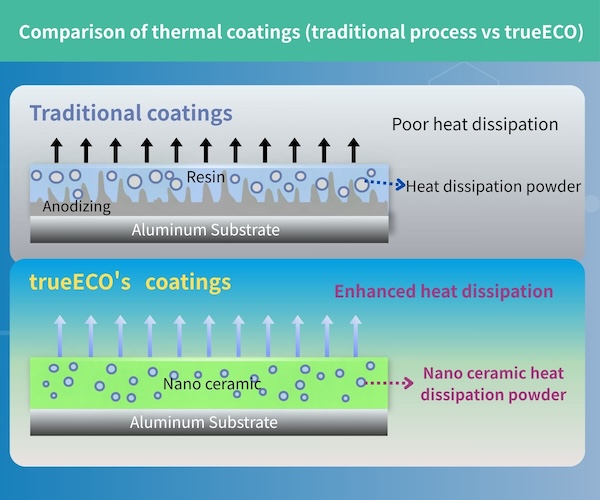
Evolution of Heat Dissipation Coating Technology
Problems with traditional coatings: Traditional heat dissipation coatings mix heat dissipation powder into resin and apply it to anodized aluminum substrates. The powder particles are large and unevenly distributed, relying only on physical adhesion to the substrate, resulting in high interfacial thermal resistance. More crucially, the entire system only has one heat dissipation path: "conduction." Under high load, waste heat accumulates in large quantities and is difficult to dissipate.
Breakthrough of TrueECO's coating: TrueECO uses nano-ceramic particles to form strong chemical bonds directly with the aluminum substrate through oxidation bonding, requiring no surface treatment on the aluminum substrate. Simultaneously, it opens two heat dissipation paths: Conduction & Radiation.

Excellent
Electrical Insulation
The material itself is completely insulating, eliminating the need for an additional insulating layer on the circuit board or mechanical parts. This fundamentally simplifies system design, reduces component count and cost, and significantly improves overall system electrical safety.

Conduction + Radiation
Dual Heat Dissipation
Simultaneously activates both thermal conduction and far-infrared radiation heat dissipation paths, breaking through the single bottleneck of traditional materials (such as graphene) that rely only on conduction. The radiation heat dissipation effect is especially significant in high-temperature or enclosed environments.

Seamless Integration
with Existing Processes
The heat dissipation function is directly imparted to the product's basic materials. It can be directly compounded with the client's existing PCB, plastic, coating, and other process substrates. Without modifying the production line, it can be quickly and cost-effectively introduced into the supply chain, significantly shortening the switching cycle.
Nano-Ceramic Resin Heat Dissipation
Product Series
A Bottom-up Solution
Heat dissipation cannot rely just on superficial efforts.
Radiative Heat Dissipation Solder Mask Ink
The next-generation heat dissipation solder mask coating designed specifically for printed circuit boards (PCBs). It deeply integrates patented insulating and thermally conductive technology with photosensitive solder mask ink. Using a highly photosensitive resin and sensitizer combination, it has a fast exposure speed and can meet the detail requirements of High-Density Interconnect (HDI) boards. Compared with traditional inks, it allows PCBs to achieve significant heat dissipation upgrades simultaneously without changing any existing processes.
Application:
High-power PCBs, AI servers, networking equipment, automotive electronics
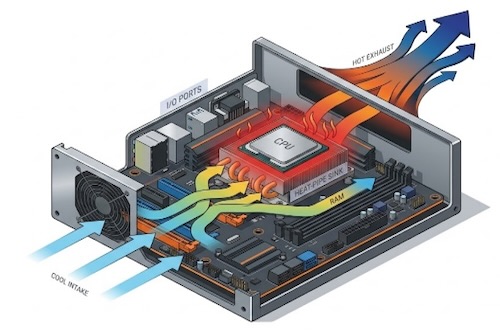
Radiative Heat Dissipation Spray Ink
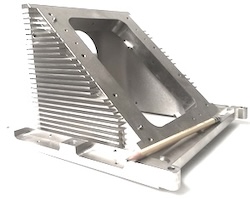
A high-performance heat dissipation coating that can be directly sprayed on various mechanical parts, heat dissipation modules, and housing surfaces. When used in conjunction with solder mask ink, it can form a "resonance heat dissipation effect" between the PCB and the casing, synergistically maximizing the overall system's heat flux.
Application:
Heat dissipation modules, electronic product casings, server chassis, LED lighting fixtures
| Comparison Item |
Radiative Heat Dissipation Solder Mask Ink (Solder Resist) |
Radiative Heat Dissipation Spray Ink (Thermal Radiation Coating) |
|---|---|---|
|
Main Function |
Circuit protection, insulation, solder resistance. Uses high emissivity materials (such as carbon-based or ceramic) to radiate chip heat outwards. |
Purely an auxiliary heat dissipation medium. The coating itself does not have circuit insulation functions. It directly releases heat into the air through infrared radiation. |
|
Application Location |
On the bare copper traces of PCB boards, covering the top layer. |
Applied on metal casings (e.g., aluminum/copper) or external heat sink fins. |
|
Coating Method |
Screen Printing or Curtain Coating |
Spray Coating, Brushing, or Dipping |
|
Thickness Control |
Extremely thin and uniform, usually 15~30 μm |
Thicker, can be adjusted according to heat dissipation needs, usually 20~100 μm |
|
Insulation Properties |
High insulation, prevents electronic short circuits. |
No special electrical insulation requirements. |
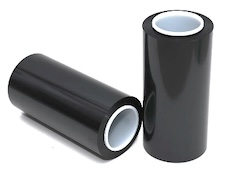
Radiative Heat Dissipation PET Film / Vapor Chamber
A thin, flexible, high-efficiency heat dissipation film suitable for ultra-thin electronic devices with extremely limited space. It combines a heat dissipation coating with a flame-retardant PET substrate, providing excellent temperature equalization and radiative heat dissipation capabilities.
Application:
Tablets, ultra-thin laptops, wearable devices, 5G modules
Heat Dissipation Plastic Series (PC-PCR)
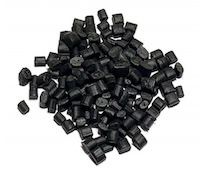
Deeply compounds nano-insulating thermal conductivity technology with PC/ABS engineering plastic pellets, making the plastic casing itself an active heat dissipation component, fundamentally solving the "heat trapping" problem of traditional plastic casings.
Application:
High-end tablets, ultra-thin laptops, wearable devices, 5G modules
Heat Dissipation PCB
Directly compounds insulating heat dissipation technology with the Copper Clad Laminate (CCL) or PP adhesive layer of the PCB, upgrading the PCB from a circuit carrier to a high-efficiency heat dissipation core component, realizing board-level heat dissipation. Compared to special heat dissipation solutions like metal substrates, this technology avoids complex processes and high material costs.
Application:
High power density circuit boards, power supplies, automotive electronic control units (ECU), LED driver boards

Heat Dissipation Packaging (EMC)
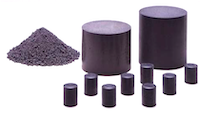
A revolutionary epoxy molding compound (EMC) composite material. It establishes a vertical "Z-axis thermal conduction path" inside the package body, breaking through the physical limits of traditional 2D planar heat dissipation, allowing chip heat to directly penetrate the packaging material and dissipate upward, achieving true 3D spatial thermal management.
Application:
AI chip packaging, high-power ICs, advanced packaging (CoWoS, SiP)
Heat Dissipation Conformal Coating
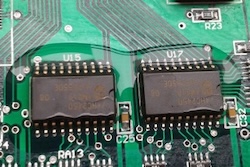
TrueECO Technology's heat dissipation conformal coating is the first in the global market to combine heat dissipation functions with conformal coating. On top of providing basic protection for circuit boards against moisture, dust, and corrosion, it adds active heat dissipation capabilities, effectively managing the operating temperature of electronic equipment and extending product lifespan.
Application:
Consumer electronics, automotive electronics, LED lighting modules, communication equipment
Heat Dissipation 3D Printed Structural Parts
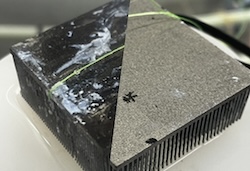
Combines insulating buckyballs with 3D metal printing technology to create the ultimate heat dissipation solution with optimized flow channels and microstructures. This product not only "conducts fast" but also "dissipates well" — integrating conduction, convection, and radiation heat dissipation mechanisms.
Application:
Aerospace, AI accelerators, high-end servers, HPC high-performance computing
Ultra-High Thermal Conductivity Potting Compound
An innovative potting solution with both high thermal conductivity and high heat dissipation. While fixing electronic components, it can efficiently diffuse the heat generated during operation, preventing the formation of hot spots, achieving a stable thermal balance, and contributing to improving product reliability.
Application:
High power density circuit boards, power supplies, automotive electronic control units (ECU), LED driver boards

From Consumer Electronics
to Industrial Control and Communication Equipment
And also a heat dissipation solution for advanced packaging.
Applications
Heat Dissipation Conformal Coating (Moisture, Dust, and Corrosion Resistant)
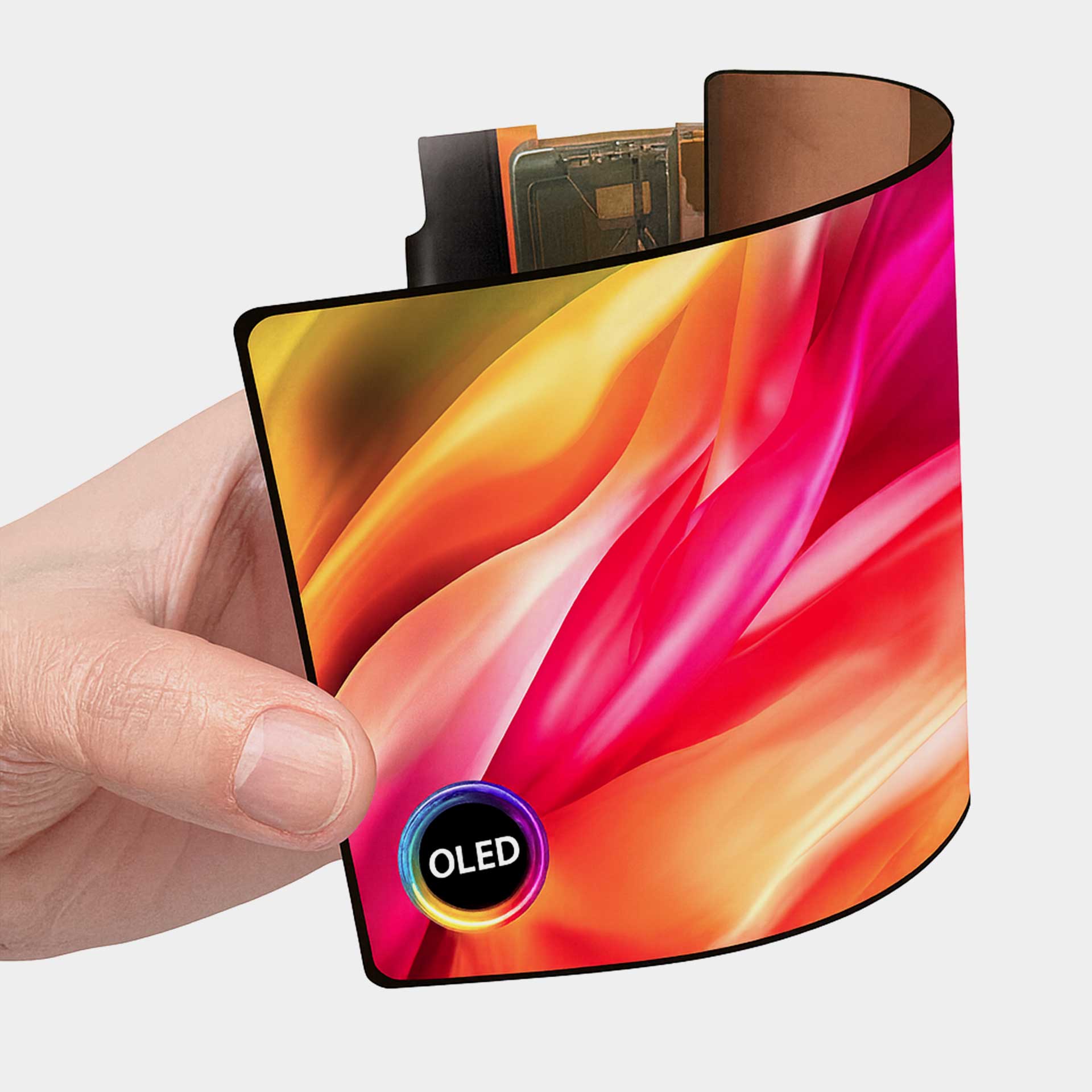
- Consumer Electronics: Smartphones, tablets, wearable devices. Reduces motherboard operating temperatures, extending battery and component life.
- Industrial Control Equipment: PLCs, inverters, servo drives. Maintains stable operating temperatures in high-load environments.
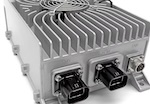
- Automotive Electronics: ECUs, ADAS sensors, automotive charging modules. Meets strict automotive-grade temperature and environmental requirements.
- LED Lighting Modules: Effectively extracts heat from LED chips, maintaining luminous flux and extending fixture lifespan.
- Communication Equipment: 5G base stations, routers, switches. Prevents performance degradation caused by heat accumulation in high-frequency circuits.

2.5D / 3D Advanced Packaging Heat Dissipation
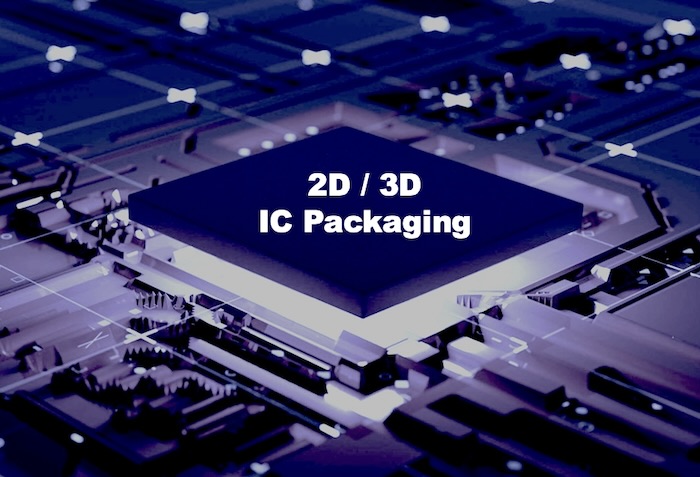
2.5D and 3D packaging (such as CoWoS, SoIC, or Intel Foveros) tightly stack logic chips and HBM (High Bandwidth Memory). If heat cannot be removed promptly, it easily causes uneven thermal expansion and electromigration failures. In addition to radiative heat dissipation solder mask ink, radiative heat dissipation spray ink, and insulated heat dissipation technology for CCL, TrueECO Technology exclusively provides Epoxy Molding Compound (EMC) to establish a vertical "Z-axis thermal conduction path" inside the package body. This breaks through the physical limits of traditional 2D planar heat dissipation, allowing chip heat to directly penetrate the packaging material and dissipate upward, achieving true 3D spatial thermal management.
For Client
Welcome for Sampling
If your product has heat dissipation issues and you are looking for a solution, we highly welcome you to send samples to see if our products can solve your problem.